Texas State News.Net
26 Feb 2026, 15:26 GMT+
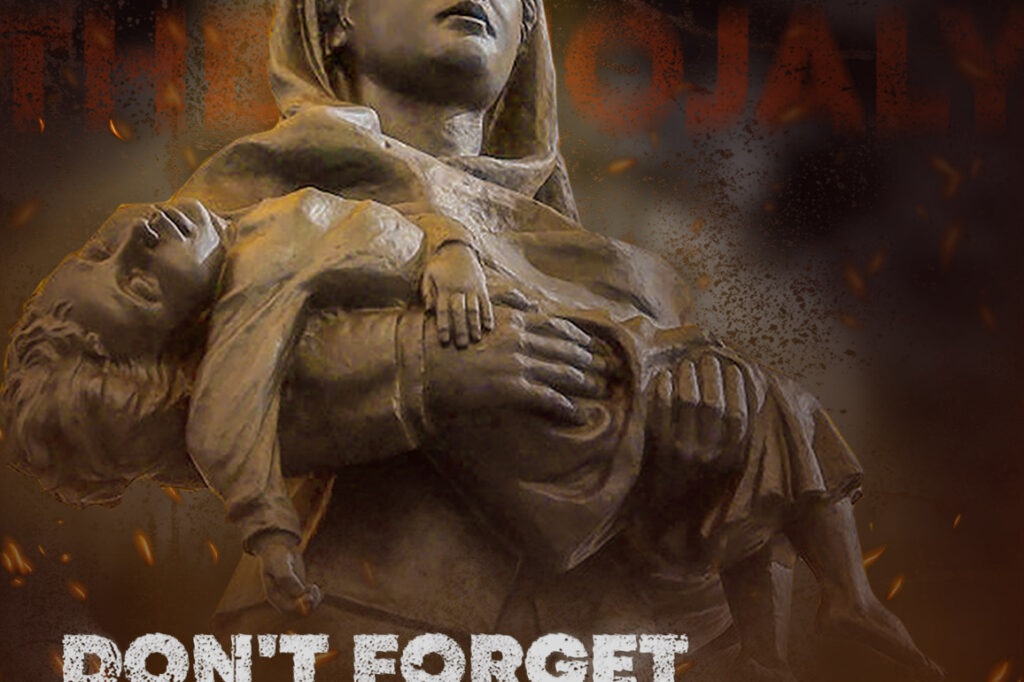
The Khojaly Massacre stands as one of the most tragic and painful events of the late 20th century. It occurred on February 25–26, 1992, during the armed conflict between Azerbaijan and Armenia over the Nagorno-Karabakh region. In the town of Khojaly, hundreds of Azerbaijani civilians were killed while attempting to flee the area. The event left deep scars on survivors and became a symbol of civilian suffering in war.
Beyond its historical and political dimensions, the Khojaly tragedy offers profound lessons for humanity. These lessons extend beyond borders, cultures, and generations.
1. The Fragility of Civilian Protection in War
One of the most painful lessons from Khojaly is how vulnerable civilians are during armed conflict. International humanitarian law, including the Geneva Conventions, is built upon the principle that civilians must be protected. Yet history repeatedly shows that when hatred intensifies and control weakens, civilians suffer the most.
Khojaly reminds the world that legal frameworks alone are not enough. Protection requires enforcement, accountability, and a strong international will to prevent atrocities before they occur.
2. The Dangers of Ethnic Hatred and Dehumanization
Mass violence rarely begins overnight. It grows from narratives of division, fear, and dehumanization. The conflict in Nagorno-Karabakh was fueled by ethnic tensions that escalated into armed confrontation.
Khojaly demonstrates how quickly political disputes can transform into human tragedy when communities are divided along ethnic lines. The lesson is clear: societies must actively resist propaganda, discrimination, and hate speech. Promoting dialogue and coexistence is not optional — it is essential for survival.
3. The Importance of Early Conflict Resolution
By 1992, tensions in the region had already escalated significantly. The inability of political actors and the international community to find timely, peaceful solutions contributed to the violence.
Humanity learned that unresolved territorial and political disputes, if ignored or mishandled, can spiral into devastating humanitarian crises. Early mediation, preventive diplomacy, and sustained negotiation efforts are crucial in preventing similar tragedies.
4. Accountability and Historical Memory
Remembering events like Khojaly is not about deepening hostility; it is about acknowledging suffering and ensuring justice. When atrocities are denied, minimized, or forgotten, wounds remain open and mistrust deepens.
The global community has learned that recognition, documentation, and accountability are fundamental steps toward reconciliation. Historical memory serves as a warning to future generations about the consequences of hatred and war.
5. The Human Cost of Geopolitical Conflict
Khojaly illustrates how ordinary people — families, children, the elderly — bear the consequences of political and military struggles. Strategic objectives and territorial ambitions often overshadow the human dimension of conflict.
One of the central lessons is that human security must remain at the core of international policy decisions. Without prioritizing human life and dignity, political victories are hollow.
6. The Need for Reconciliation and Peacebuilding
Lasting peace cannot be built solely through ceasefires or military balance. It requires rebuilding trust, acknowledging pain on all sides, and fostering dialogue between communities.
The tragedy of Khojaly reinforces the importance of long-term peacebuilding initiatives, educational programs promoting tolerance, and leadership committed to reconciliation rather than revenge.
Conclusion
The Khojaly Massacre is not only a national tragedy for Azerbaijan but also a stark reminder to the world of the consequences of unchecked conflict, ethnic hatred, and failed diplomacy. Its lessons are universal:
Protect civilians at all costs. Confront hatred before it escalates. Pursue peaceful solutions early. Preserve historical memory with honesty and responsibility. Prioritize humanity above politics.
If humanity truly learns from tragedies like Khojaly, then remembrance becomes more than mourning — it becomes a commitment to prevent such suffering from ever happening again.
Samir Novruzov